‘Reacher’ Season 4 Reviews Test Prime Video’s Action Streak
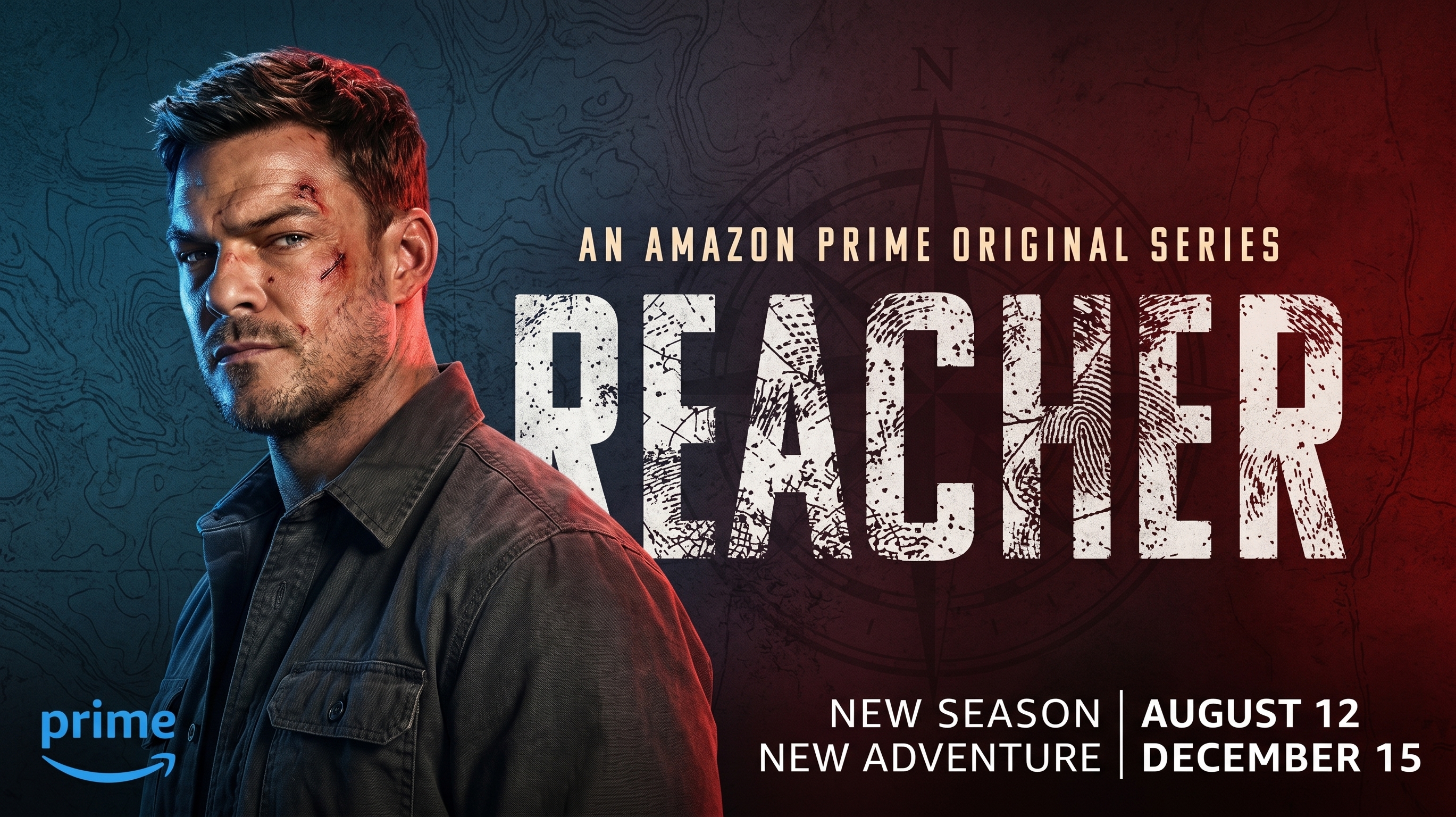
If modern streaming is a battlefield of algorithms, churn, and expensive gambles, Reacher remains refreshingly blunt: a very large man walks into a corrupt town, notices what everyone else misses, and breaks the right bones until justice arrives.
That simplicity is not a limitation. It is the product.
With Rotten Tomatoes’ first-review roundup for Reacher Season 4 now giving fans an early sense of the critical temperature, the question is less whether Jack Reacher can win another fight — he almost always does — and more whether Prime Video can keep turning Lee Child’s bestselling novels into the kind of muscular, reliable TV that cuts through a crowded market. In an era when prestige shows chase ambiguity and franchise spinoffs chase mythology, Reacher has built its appeal on clarity: clean plotting, hard hits, a lead who looks like he was carved out of a pickup truck, and a moral code that requires no flowchart.
That may be exactly why it still matters.
The First Reviews Point to a Franchise That Knows Its Job
Early critical reactions to Season 4 suggest that Reacher is not trying to reinvent itself so much as sharpen what already works. That has been the show’s formula from the beginning: each season drops Alan Ritchson’s ex-military investigator into a new conspiracy, surrounds him with allies and suspects, and lets the story unfold with the satisfying momentum of a paperback you keep reading past midnight.
The strongest notices around the series have typically praised its confidence. Reacher does not apologize for being a broad-shouldered action thriller. It is not embarrassed by punch-ups, deadpan one-liners, roadside diners, government secrets, or villains who underestimate the wrong drifter. Season 4’s early reception appears to continue that pattern: critics are responding to the show as genre entertainment that understands the contract it has made with viewers.
That contract matters. Many streaming shows ask audiences to invest in sprawling universes, nonlinear structures, or multi-season mysteries that may or may not pay off. Reacher offers something more direct: a beginning, a problem, a trail of clues, and a bruising resolution. The appeal is not that the show is simplistic; it is that it is legible. You can feel the machinery working, and that is part of the pleasure.
Alan Ritchson Remains the Franchise’s Center of Gravity
The smartest decision Prime Video made was casting Alan Ritchson as Jack Reacher and then letting the show lean into his physicality without reducing him to it. Ritchson looks the way readers imagined Reacher from the novels — towering, imposing, difficult to ignore — but the performance works because he also plays the character’s oddness.
Reacher is not just big. He is hyper-observant, socially blunt, allergic to bureaucracy, and strangely calm in situations where everyone else is panicking. Ritchson’s version of the character often gets laughs not by cracking jokes but by refusing to behave like a normal person. He studies a room, says exactly what he means, and moves only when necessary. When he does move, the show makes it count.
That combination gives Reacher an advantage over many action shows that can deliver choreography but not personality. The fights matter because the lead character is more than a collection of combat skills. He is a fantasy of competence: the person who sees the scam, reads the threat, protects the vulnerable, and never gets trapped in institutional nonsense. In a TV landscape full of compromised heroes, Reacher’s directness feels almost exotic.
Season 4’s reviews, judging by the early critical conversation, are again circling that central fact. This is a star-and-character machine. Change the town, the case, and the villains, but keep the engine intact.
Prime Video Has Found Its Meat-and-Potatoes Lane
Prime Video’s action and thriller strategy has become one of its most dependable programming pillars. Reacher sits comfortably alongside shows such as Tom Clancy’s Jack Ryan, The Terminal List, and other audience-friendly genre plays designed to travel well internationally and reward binge viewing. These are not delicate shows. They are built to be understood quickly, sold cleanly, and watched in big chunks.
That is not a criticism. In the streaming economy, a platform needs more than awards hopefuls and buzzy limited series. It needs durable franchises — shows that viewers recognize instantly and return to without needing a cultural homework assignment. Reacher has become one of those titles for Prime Video.
The series also benefits from unusually strong source material infrastructure. Lee Child’s Reacher novels form a long-running library of self-contained thrillers, which gives the show a practical roadmap. Instead of inventing an endless mythology from scratch, Prime Video can adapt a new book, reset the location, and preserve the core appeal. That anthology-adjacent structure keeps the series from feeling trapped by one storyline.
It also lowers the barrier for casual viewers. Someone who skipped a previous season can still understand the basic promise: Reacher arrives, trouble follows, justice gets physical. That accessibility is increasingly valuable when audiences are juggling dozens of shows across multiple subscriptions.
Why Action-Heavy Streaming Franchises Still Matter
The success of Reacher says something important about television right now: viewers still want shows that deliver a strong genre promise without irony.
For years, the premium-TV conversation has often favored the complex, the self-referential, and the morally gray. There is nothing wrong with that. But the popularity of action-heavy streaming franchises proves there is also a huge appetite for craft-driven, plot-forward entertainment. The kind of show where the stakes are clear, the villains are hateable, and the hero is allowed to be good at the job.
That does not mean these shows are easy to make. In fact, the best versions require precision. The pacing has to be tight. The action has to feel impactful rather than weightless. The mystery must be satisfying but not overcomplicated. The supporting cast needs enough texture to make the world feel populated, even if the lead is the main attraction.
Reacher has generally understood that balance. Its violence is blunt, but its structure is tidy. Its tone is serious enough to make danger feel real but not so grim that the fun disappears. That is a difficult line to walk, and it is why early Season 4 reactions matter: they indicate whether the show is still executing the basics at a high level.
The Risk: Formula Can Become Fatigue
Of course, reliability has a shadow side. The very thing that makes Reacher appealing — its repeatable structure — could eventually become a trap. A new town, a new conspiracy, a new group of thugs who learn too late that Reacher is not a normal opponent: the template is durable, but it is not indestructible.
Season 4 therefore has to do more than provide competent mayhem. It needs memorable antagonists, a strong supporting ensemble, and a case that feels specific rather than interchangeable. The show does not need to deconstruct Reacher or bury him in lore, but it does need to keep finding fresh ways to test him.
That is where the novel-to-season model helps. The best Reacher stories are not just about who he fights; they are about the environments he moves through — small towns with secrets, military networks with buried sins, criminal operations hiding behind respectable faces. The more vivid the world, the more satisfying it is when Reacher tears through it.
Conclusion: Prime Video’s Bruiser Still Has a Job to Do
Based on the first wave of reviews, Reacher Season 4 looks positioned to keep Prime Video’s muscle-TV streak alive — not by chasing reinvention, but by doubling down on disciplined, physical, crowd-pleasing thriller storytelling.
That may sound modest in a market obsessed with the next phenomenon. It isn’t. A dependable hit is one of the hardest things in streaming to build. Reacher has become exactly that: a franchise with a clear identity, a commanding lead, and a promise viewers understand immediately.
In other words, Jack Reacher is still doing what he does best. He walks in, sizes up the room, and reminds everyone that sometimes the simplest answer hits the hardest.