Is Spider-Man Ending the Superhero Slump?
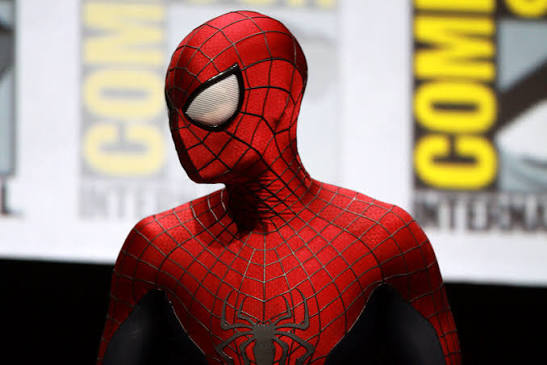
The first rule of modern superhero box office is that every recovery looks permanent for about one weekend.
That is what makes Spider-Man: Brand New Day such a fascinating test case. Early review chatter on Rotten Tomatoes has given Sony and Marvel a cleaner narrative than several recent comic-book launches enjoyed, while Variety’s opening-day coverage has already framed the film as a record-breaker. Put those two headlines together and the temptation is obvious: declare the superhero slump dead, cue the swinging-through-Manhattan montage, and pretend the last few years were just a rough multiverse detour.
But Spider-Man has never been a normal superhero brand. He is the exception that keeps proving the rule.
The Opening Is Huge — But the “Why” Matters
A massive opening day for Brand New Day says something very real: audiences still show up for the right cape movie. The genre is not toxic. The Marvel logo is not automatically radioactive. A character with broad four-quadrant appeal, emotional continuity, and a clear theatrical hook can still turn a release date into an event.
Spider-Man has advantages most superheroes do not. He is familiar across generations: Tobey Maguire’s era made him a 2000s blockbuster icon, Andrew Garfield kept the character alive through a rockier period, and Tom Holland’s version became central to the MCU’s biggest post-Avengers emotional beats. No Way Home was not just a hit; it was a cultural reunion tour, opening to one of the biggest domestic weekends ever and reminding Hollywood that nostalgia, when attached to a beloved character, can still become urgency.
That is the key word: urgency. The recent superhero problem has not been that people dislike superheroes. It is that too many releases felt optional. Brand New Day appears to have cleared that bar. If Variety is highlighting a record opening day, the audience did not wait for streaming, reviews, or TikTok consensus. They came immediately.
Reviews Help, but Spider-Man Sells the Ticket
Rotten Tomatoes matters most when a movie needs permission. A glowing score can reassure casual viewers that a franchise installment is not homework, not filler, and not another placeholder chapter in an overextended cinematic universe.
For Brand New Day, early reviews seem to be doing exactly that: giving fans and skeptics a simple message that this is not merely “the next Marvel thing,” but a Spider-Man story with enough craft and feeling to justify the hype. That distinction is crucial. In the current market, brand recognition gets attention; perceived quality converts attention into tickets.
Still, it would be a mistake to credit reviews alone. Spider-Man opens big even when the surrounding superhero ecosystem looks shaky because the character has an unusually elastic appeal. He can headline a teen comedy, a tragic origin story, a multiverse epic, a street-level crime drama, or an animated art-film blockbuster like Across the Spider-Verse. Batman has similar flexibility. Most superhero brands do not.
That gives Brand New Day a safety net. If audiences want jokes, Peter Parker can deliver. If they want romance, guilt, grief, responsibility, or spectacle, the franchise can pivot without breaking its core identity. This is not true for every comic-book property trying to mount a comeback.
The Slump Was Never One Thing
Calling the past few years a “superhero slump” is useful shorthand, but it flattens several different problems.
There was sequel fatigue: audiences punished films that felt like contractual obligations. There was universe fatigue: viewers became less willing to track post-credit breadcrumbs across streaming shows, spin-offs, and alternate timelines. There was visual-effects fatigue: when every third act looked like a glowing sky portal or digital battlefield, scale stopped feeling special. And there was trust fatigue: after enough uneven entries, casual moviegoers stopped assuming the next superhero title would be worth a premium-format ticket.
The examples are stark. The Marvels struggled despite belonging to the MCU. DC’s The Flash, once positioned as a major reset button, became a cautionary tale about hype without confidence. Aquaman and the Lost Kingdom arrived after the old DC continuity already felt like a closed store. Even movies with passionate defenders often had to fight the sense that superhero cinema was no longer the center of pop culture gravity.
But the same period also produced counterevidence. Guardians of the Galaxy Vol. 3 turned character attachment into strong legs. Deadpool & Wolverine proved that a sharp hook, R-rated personality, and legacy casting could still make Marvel feel mischievous and event-sized. The Spider-Verse films showed that innovation, not just IP, can drive enthusiasm.
So the better question is not whether the superhero slump is over. It is whether studios have learned what audiences were rejecting.
Spidey May Be Reviving Momentum — Not the Whole Genre
If Brand New Day keeps pace beyond opening weekend, it could become a morale boost for the entire comic-book movie business. Strong reviews plus a record launch would give studios an easy case study: focus on character, simplify the pitch, make the theatrical experience feel necessary, and stop treating audiences like franchise accountants.
But Spider-Man’s success will not automatically lift every mask in the drawer. He is one of the few superheroes whose iconography works globally without explanation. The suit, the web-swinging, the city, the teenage anxiety, the moral burden — it all reads instantly. He is aspirational and vulnerable at the same time. That combination is box-office gold.
For lesser-known characters, the challenge remains steeper. A new superhero film now has to answer questions that were less urgent in the peak MCU years: Why this hero? Why this story? Why in theaters? Why now?
That is why Brand New Day should be read as a signal, not a cure. It signals that superhero movies can still dominate when they feel emotionally specific and culturally timed. It does not prove that audiences are ready to re-embrace every expanded universe, reboot, spin-off, and streaming-adjacent chapter waiting in the pipeline.
The Real Lesson: Event Status Has to Be Earned Again
The blockbuster era that made superheroes feel automatic is gone. That may be healthy. For years, the genre benefited from momentum so strong that even mid-tier chapters opened like must-see events. Now the audience is more selective, which means the films have to be better positioned and, ideally, better made.
That is where Spider-Man: Brand New Day looks important. Its opening suggests that moviegoers are not done with heroes. They are done with complacency. They will still buy the ticket when the character matters, the reviews reduce doubt, and the marketing promises more than continuity maintenance.
In other words, Spider-Man did not end the slump by himself. He reminded Hollywood what escaping it looks like.
Conclusion
Brand New Day opening big is excellent news for Sony, Marvel, theaters, and anyone who enjoys watching a crowd react to a superhero movie at full volume. But it is not a blank check for the genre. Spider-Man is special: durable, flexible, emotional, and instantly legible.
The superhero slump may be softening. The Spidey exception, however, is still very much in effect.