Super Falcons’ Hotel Theft Claim Exposes WAFCON Strain
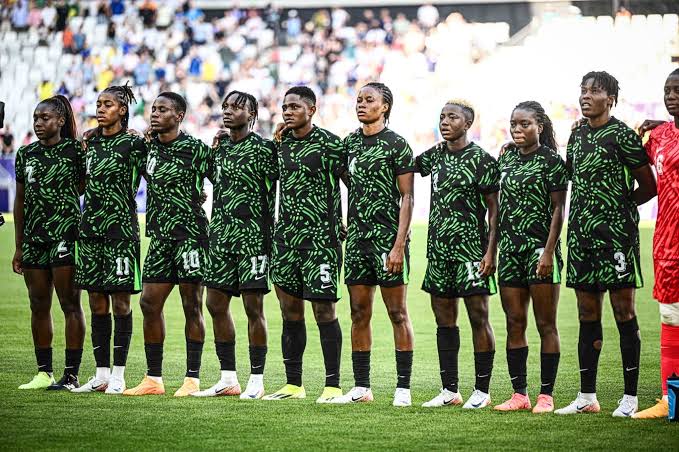
A title campaign can be won by a headed clearance, a penalty save, or one perfectly timed run behind the back line. It can also be weakened by a locked hotel room that suddenly no longer feels secure.
That is the uncomfortable lesson from the latest off-pitch controversy around Nigeria’s Super Falcons at WAFCON. Complete Sports reported that cash belonging to Super Falcons players was allegedly stolen by hotel staff during the tournament. The allegation remains exactly that unless confirmed by organisers, security officials, or the hotel involved. But the reaction it has triggered is justified: for elite athletes, welfare is not a side issue. It is part of performance.
Nigeria’s women are chasing another continental crown under the weight of expectation that follows the most successful national team in African women’s football. Yet tournaments are not played only inside stadiums. They are shaped in airports, training bases, medical rooms, buses, dining halls, and hotel corridors. If any of those spaces fail, the football can suffer.
A Theft Allegation That Cuts Deeper Than Cash
On the surface, the reported incident is about missing money. In a tournament environment, it is bigger than that. A player who believes her personal belongings are unsafe is not simply inconvenienced; she is distracted. She starts thinking about what else might be vulnerable: travel documents, phones, recovery equipment, match bonuses, personal items, or family gifts.
That kind of anxiety matters. Elite footballers operate on routine. Matchday minus two is for tactical clarity. Matchday minus one is for rest, set pieces, treatment, and mental sharpness. Any breach of trust inside the team hotel disrupts that rhythm.
For the Super Falcons, the timing is especially sensitive. Nigeria enter every WAFCON as a team to beat, not merely a participant. Opponents raise their level. Media scrutiny intensifies. Selection debates follow every training session. In that environment, even a small logistical failure can become a competitive variable.
The alleged theft also raises a basic question: who is responsible for protecting players’ living spaces during a major continental tournament? Hotels are commercial operators, but tournament accommodation is not normal tourism. It is a high-security performance environment. Access should be controlled. Staff movement should be traceable. Teams should have secure storage options. Complaints should trigger swift investigation, not quiet embarrassment.
Athlete Welfare Is Tournament Infrastructure
Football often talks about welfare in broad, sympathetic language. In practice, welfare is operational. It means clean rooms, reliable transport, safe food, proper recovery spaces, clear communication, medical access, privacy, and security.
For women’s football in Africa, this is even more important because the sport is growing fast while tournament systems are still catching up with the demands of modern professionalism. CAF has invested heavily in raising the profile of the Women’s Africa Cup of Nations, and the competition now carries greater commercial and sporting weight. The standard on the pitch has improved. The standard around the pitch must rise with it.
Consider the chain of performance. If a team bus arrives late, warm-up plans change. If meals are poorly timed, recovery suffers. If hotel Wi-Fi is unstable, analysts struggle to deliver video clips. If players cannot sleep because of noise or stress, decision-making drops. If security is compromised, trust collapses.
None of these details appear in the scoreline, but all of them influence the scoreline.
The best tournaments understand this. At major global events, team hotels are treated as controlled zones. Delegations coordinate with local security, organisers, and accommodation managers. Floors may be restricted. Team liaison officers solve problems quickly. Valuables are logged or secured. Privacy is respected because the athletes are there to work.
African women’s football deserves the same seriousness. The Super Falcons, Banyana Banyana, Morocco, Zambia, Ghana, Cameroon, and the rest are not guests at a festival. They are professionals competing in a continental championship.
Nigeria’s Title Push Needs Calm, Not Chaos
The Super Falcons know how to play through noise. This is a team with a long history of navigating pressure, disputes, delayed payments, administrative tension, and sky-high expectations. Their success has often come not because conditions were perfect, but because players adapted anyway.
But resilience should not become an excuse for poor systems.
Nigeria’s football identity has sometimes romanticised the idea that the team performs best in adversity. It makes for dramatic storytelling, but it is a dangerous standard. The aim should be to remove unnecessary obstacles so talent, preparation, and tactics decide matches.
A WAFCON title campaign demands narrow margins. One player distracted before a semi-final can mistime a press. One defender sleeping badly can lose concentration on a set piece. One goalkeeper dealing with stress away from the pitch can make a slower call under a cross. These are not soft excuses; they are realities of elite sport.
The Super Falcons have enough football problems to solve: controlling transitions, breaking compact blocks, managing the physicality of knockout matches, and converting dominance into goals. They should not also be worrying about whether their belongings are safe in the team hotel.
If the reported allegation is verified, the response should be transparent and firm. If it is not verified, the process should still explain what happened and how similar concerns will be prevented. Silence helps nobody. It leaves players feeling exposed, fans speculating, and organisers looking reactive.
What CAF, Hosts, and Federations Must Fix
The bigger lesson is not just about one hotel or one team. It is about tournament standards.
CAF, host local organising committees, national federations, and hotels need clear welfare protocols that are written before the tournament, tested during arrivals, and enforced throughout the event. At minimum, that should include secure room access logs, dedicated team floors where possible, functioning safes, vetted staff, rapid complaint procedures, and a named welfare or security contact available to every delegation.
There should also be player briefings. Athletes should know where to store valuables, how to report incidents, and who has authority to act. Team administrators should not have to improvise during a crisis.
National federations have responsibilities too. The Nigeria Football Federation must ensure the Super Falcons travel with adequate welfare support, not just coaches and media officers. Modern national teams need operations specialists, security coordination, player-care staff, psychologists, nutritionists, and logistics managers who can anticipate problems before they reach players.
This is where investment matters. Welfare is not a luxury add-on after kits, flights, and bonuses. It is part of the performance budget.
The women’s game is asking for bigger broadcast deals, better sponsorship, improved prize money, and fuller stadiums. Those goals are valid. But credibility also depends on the experience of the players inside the tournament bubble. If stars return from WAFCON with stories of insecurity or disorder, the brand of the competition suffers.
The Off-Pitch Match Matters
The Super Falcons’ pursuit of another WAFCON crown will ultimately be judged by results. Goals, clean sheets, substitutions, and trophies will dominate the headlines. But this hotel theft allegation is a reminder that success is built long before kickoff.
Players cannot perform at their best when basic trust is broken. They should not have to choose between focusing on a final and worrying about their belongings. They should not have to be grateful for conditions that merely avoid disaster.
Nigeria’s women have given African football some of its proudest moments. The least the tournament ecosystem can give them in return is a secure, professional environment worthy of their status.
If the Super Falcons lift the trophy, it will be because they conquered opponents on the pitch. But if WAFCON is serious about its future, it must also win the off-pitch battle: safety, welfare, logistics, and respect for the athletes who make the competition matter.