UK £10,000 Cash Rule: What Nigerians Must Know
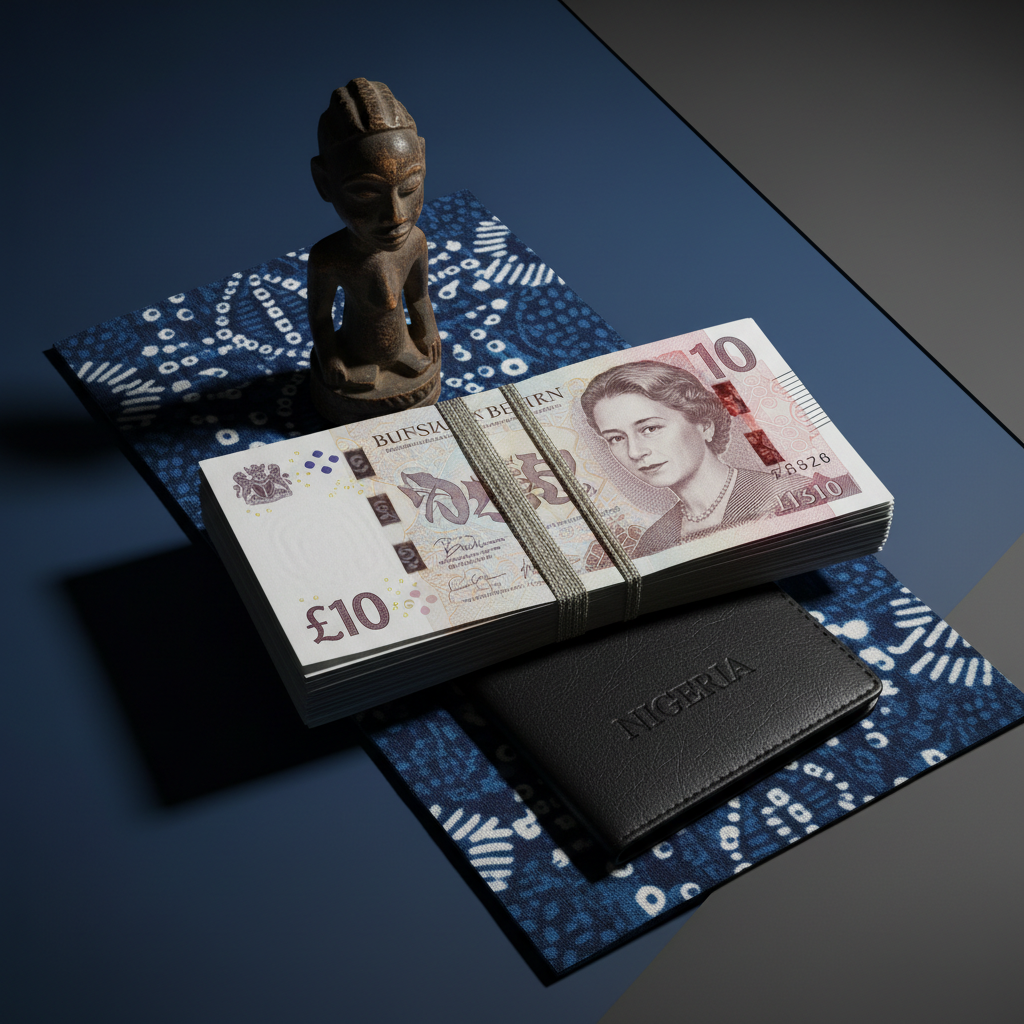
A Nigerian student lands at Heathrow with tuition support from relatives. A business owner flies to Manchester with dollars for supplier meetings. A family travelling for relocation divides cash between parents and children to “avoid questions.” In each case, one rule can turn an ordinary trip into a stressful border encounter: the UK’s £10,000 cash declaration threshold.
The key point is simple: the UK is not banning travellers from carrying large amounts of cash. But if you carry £10,000 or more — or the equivalent in another currency — you must declare it to UK customs. For Nigerians who often travel with dollars, pounds, naira, bank drafts or traveller’s cheques for school fees, medical visits, business expenses or family settlement, the details matter.
What the £10,000 rule actually says
Under UK rules, anyone carrying cash of £10,000 or more must declare it when moving money between Great Britain — England, Scotland and Wales — and any other country. That includes direct or connecting flights from Lagos, Abuja or Port Harcourt into airports such as Heathrow, Gatwick, Manchester, Birmingham and Edinburgh.
The rule also applies to people travelling between Northern Ireland and countries outside the EU. If your journey involves Belfast or a routing through the Republic of Ireland, do not assume the same process applies everywhere; check the route-specific rules before you fly.
“Cash” is broader than many travellers realise. It can include banknotes and coins, but also traveller’s cheques, cheques, money orders and other bearer negotiable instruments. The threshold is not limited to pounds sterling. If you carry US dollars, euros or naira, the total value is measured against the £10,000 equivalent.
So, if a traveller carries $13,000 and the exchange rate makes that worth £10,000 or more, the money should be declared. If another traveller carries £6,000 plus $6,000, the combined sterling value may also cross the threshold.
The declaration can usually be made online before travel, or at the airport by speaking to a Border Force officer. The UK government says declarations can be made from 72 hours before arrival or departure.
The rule applies to groups, not just individuals
One of the biggest mistakes families make is assuming the limit applies only per person. The UK rule can apply to the total amount carried by a group travelling together.
Example: a family of four leaves Lagos for London with £3,000 in the father’s hand luggage, £3,000 with the mother and £2,500 each with two adult children. No individual is carrying £10,000. But the group is carrying £11,000 combined. That should be declared.
This matters for Nigerian families relocating, attending graduations, visiting relatives or travelling for medical care. Splitting money across bags or family members is not a safe workaround. If officers believe cash was deliberately divided to avoid declaration, the explanation may create more suspicion, not less.
For students, the same principle applies when parents, guardians or siblings travel together to help with settling-in costs. If the total cash carried by the travelling party reaches the threshold, declare it.
What happens if you do not declare
Failing to declare does not automatically mean the cash is illegal, but it can lead to serious consequences. UK Border Force can question you about the source and intended use of the funds. Cash may be seized if officers have reasonable grounds to suspect it is linked to crime, and travellers can face penalties for failing to make a correct declaration.
That is why documentation is essential. If you are carrying a large amount for a legitimate reason, prepare a simple paper trail.
For students, carry admission documents, accommodation invoices, bank withdrawal receipts, sponsor letters and proof that the money is for living costs or urgent expenses. Remember, however, that UK student visa financial requirements are usually assessed through bank evidence and approved funds, not by showing up at the airport with cash.
For business travellers, carry invoices, meeting invitations, supplier correspondence, company registration documents, bank withdrawal slips and evidence of the commercial purpose of the trip. A trader going to a fashion, spare-parts or technology exhibition should be able to explain why cash is necessary and where it came from.
For migrants and families, useful documents may include payslips, bank statements, sale agreements, gift letters, inheritance papers or medical invoices. If relatives pooled money for you, record who contributed and why.
The best approach is not to “talk your way through” at the airport. Declare early, keep documents ready and give consistent answers.
Practical advice before flying from Nigeria
First, calculate the total value of everything that counts as cash. Use the current exchange rate and include all currencies and instruments. If the total is close to £10,000, it is safer to declare than to guess.
Second, avoid carrying large cash unless there is a strong reason. Bank transfers, international cards, domiciliary account transfers and regulated money transfer services may be safer, easier to document and less stressful at the border. For tuition and accommodation, direct payment to the university or landlord is often cleaner than arriving with thick envelopes of cash.
Third, do not rely on airport rumours. A friend may have passed through without declaring; that does not make it lawful. Border checks vary, and one unlucky inspection can delay your journey or put your money at risk.
Fourth, remember that UK declaration rules do not cancel Nigerian-side requirements. If you are leaving Nigeria with significant foreign currency or monetary instruments, check current guidance from your bank, airline, Nigeria Customs and relevant authorities before departure. You may need to make declarations on both sides of the journey.
Finally, if you declare, do it accurately. State the full amount, currencies, owner of the money, source of funds and intended use. If the money belongs to a business or family member, say so clearly and carry evidence.
Conclusion: declaration is protection, not punishment
For Nigerian travellers, the £10,000 cash rule should be treated as a border compliance issue, not a reason to panic. The UK allows lawful money to move across its borders, but it wants large cash movements declared.
If you are a student, business owner, migrant or family traveller, the safest formula is straightforward: count everything, convert it to pounds, declare if it reaches the threshold and carry proof. That small step can protect your money, your trip and your peace of mind before you fly.